CNC machining
Tapping, countersinking and secondary operations
We carry out tapping, countersinking and secondary operations that complete the part so it arrives ready for assembly, painting or dispatch.
Tapping · Countersinking · Riveting
What are tapping and countersinking?
These are the operations that turn a hole into a usable connection. A tapped hole lets the part take a bolt without a nut; a countersink lets the bolt head sit flush with the surface instead of standing proud.
They look like details, but they decide whether the part can be assembled straight away or whether someone has to rework it first. Doing them within the same manufacturing flow removes that intermediate step and the risk of damaging a finished part.
They belong to the machining group and are programmed together with the rest of the operations on the part.
Materials and thicknesses for tapping and countersinking
Metals and sheet thicknesses we work with as standard. If your industrial project needs a material that is not in the table, say so in your enquiry and our engineering office will confirm whether we can handle it.
This service works with the same materials and thicknesses as the rest of the plant. The full table is on the Sheet metal laser cutting page.
CAD file formats accepted for quoting
- DXF
- DWG
- STEP / STP
- STL
- IGS / IGES
- PNG
- JPG
With DXF, DWG or STEP we work straight from your file geometry: no need to redraw the part, and the quote comes back sooner.
We do more than check the drawing: we advise you on nesting (how the sheet is used) so you get the lowest possible price per part before anything is cut.
How our engineering office works
If you would rather not fill in the form, send the drawing straight to cata@catagermans.com.
Confidential handling. Your drawings are only used to prepare the technical assessment and are not shared with third parties. If you need a signed non-disclosure agreement, send it over.
Technical capabilities for tapping and countersinking
| Operations | Tapping, countersinking, riveting and secondary assembly operations |
|---|---|
| Integration | Programmed with the rest of the operations on the part |
| Volumes | One-off and batch |
Applications and types of custom metal parts
- Tapped holes for bolted joints without a nut.
- Countersinks so the bolt head sits flush with the surface.
- Preparing fixing points ahead of assembly.
- Secondary operations before painting or dispatch.
Sectors we manufacture for
We manufacture for industrial companies across very different sectors. These are some of the most common ones, but not the only ones: if yours is not listed, tell us about the part and we will confirm whether we can make it.
- Automotive
- Food industry (stainless steel)
- Agricultural machinery
- Construction
- Steel structures
- Energy
- Street furniture
Why work with Catà Germans
- Every process under one roof
- Cutting, forming, machining, welding and finishing in the same plant. We handle the whole logistics side so you receive the parts palletised and protected at your own factory, anywhere in Catalonia and the surrounding area, on the agreed lead time.
- In-house engineering office
- We review the drawing before manufacturing and prepare production from CAD/CAM. If something does not add up, we ask you instead of interpreting it ourselves. And if what you have is a sketch or a question, we will help with that too: advice is part of the service.
- From drawing to finished product
- Some finishes, such as painting or zinc plating, are done with specialist workshops. We handle the coordination and deliver with our own fleet: a single order and a part ready to fit.
- Raw material in stock
- We keep sheet and tube permanently in stock, so many standard jobs can start without waiting for material.
- Over 65 years of the trade
- A family business founded in 1958, specialised in industrial subcontracting of metal parts. You deal directly with the people who make the part.
Frequently asked questions
01Tapping, countersinking and rivets
What is a tapped hole for?
It lets the part take a screw directly, without a nut. It is the usual way to prepare removable joints in metal parts.
What is a countersink for?
It lets the screw head sit flush with the surface instead of standing proud. It matters when another part has to sit on top or when the surface is visible.
Which auxiliary operations do you carry out?
- Tapping for joints without nuts
- Countersinking for flush screws
- Riveting
- Preparing fixing points before assembly
- Operations ahead of painting or dispatch
02Planning the operations
Why do it within the same manufacturing flow?
Because these operations decide whether the part can be assembled straight away or whether someone will have to rework it first. Doing them in the same plant avoids that extra step and the risk of damaging a finished part.
Is it done before or after finishing?
It depends on the finish planned. Our engineering office plans the order of operations so that neither the thread nor the surface treatment is compromised.
Which thread sizes do you tap?
Show the thread sizes you need on the drawing and we will confirm them when we reply to your request.
Do you handle single parts and production runs?
Yes. The operations are programmed together with the rest of the part, for single parts and runs alike.
03Thread or self-clinching fastener
When should I use a thread, and when a self-clinching fastener?
Thin sheet often lacks the thickness for a reliable thread, so the usual answer is a self-clinching fastener. In thicker material direct tapping is normally enough. We assess it from your drawing.
Can it be done on punched or bent parts?
Yes, that is the usual flow: a cut or punched part can go on to bending, tapping or fastener insertion within the same plant.
04Engineering office and confidentiality
Does my file need redrawing to quote for tapping and countersinking?
No. With DXF, DWG or STEP we work directly on the geometry in your file: the part does not need redrawing and the quote comes back sooner. We work mainly with SolidWorks and AutoCAD, among other CAD and CAM tools.
Are my drawings treated confidentially?
Yes. Drawings are used only to prepare the technical assessment and are not shared with third parties. If you need a signed confidentiality agreement, you can send it to us.
What if I only have a sketch or a technical question?
Send us a dimensioned sketch or tell us what you need. Our engineering office reviews it, asks whatever it needs to and, if necessary, helps you define the part: advice is part of the service, for metalworkers and small workshops too.
05Process, lead times and delivery
What happens after I send my request?
- Enquiry: you send the drawing, material, thickness, quantity and deadline
- Review by our engineering office and manufacturing plan
- Quote and confirmation, with alternatives where there are any
- Manufacturing within the same plant
- Inspection, packing and delivery
What lead time does a tapping and countersinking order have?
It depends on the part, the quantity and the other processes involved. In the quote request you can choose a 24/48 h urgent service (with a surcharge), about one week, a flexible deadline or a specific date, and we confirm it with the quote.
Can you deliver the parts to our factory?
Yes, with our own fleet. We prepare the load and deliver the parts palletised and protected to the agreed point. We usually serve the provinces of Tarragona and Barcelona, and look at other destinations case by case.
06Sectors and experience
Which sectors do you provide tapping and countersinking for?
We manufacture for industrial companies in very different sectors. Some of the most common:
- Automotive
- Food industry (stainless steel)
- Agricultural machinery
- Construction
- Structural steelwork
- Energy
- Street furniture
Any part that is screwed together at assembly needs them: housings, brackets, frames and equipment in all of these sectors. If your sector is not listed, tell us about the part and we will confirm whether we can make it.
Why choose Catà Germans for tapping and countersinking?
We are a family company founded in 1958, with more than 65 years in industrial subcontracting of metal parts.
- Every process under one roof: cutting, forming, machining, welding and finishing
- Our own engineering office, which reviews the drawing before manufacturing
- Direct contact with the people who make the part
- One order and one point of contact, right through to delivery
07Quotes, files and orders
Which file formats do you accept?
We accept PDF, DXF, DWG, STEP/STP, STL, IGS/IGES and also PNG or JPG images. If you do not have a final drawing yet, send us a dimensioned sketch and we will review it all the same.
Do you make one-off parts or only production runs?
We handle one-off parts and prototypes as well as small, medium and large batches and repeat production. You can specify this in the quote request.
How quickly do you reply to an enquiry?
We send the technical response as soon as possible once we have the drawing and the part details.
Do you offer painting, zinc plating or other surface finishes?
You can include them in the order. These finishes are carried out with specialist workshops we work with regularly, but we handle the coordination and the transport: you place a single order and receive the finished part.
Can I combine several processes in one part?
Yes — that is the normal way we work. A part can go through laser cutting, bending, welding and finishing inside the same plant, under a single order and a single point of contact.
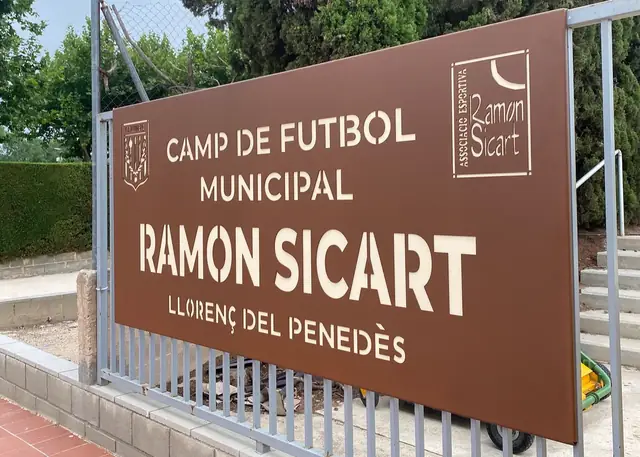
Real projects: Tapping and countersinking
Let's begin
Request information or a quote
Send us the drawing and the part details and we will come back with a technical answer as soon as possible.
Reply as soon as possible